
|
ES
EN

E-commerce
Aesthetic Therapy
Aesthetic Wellness

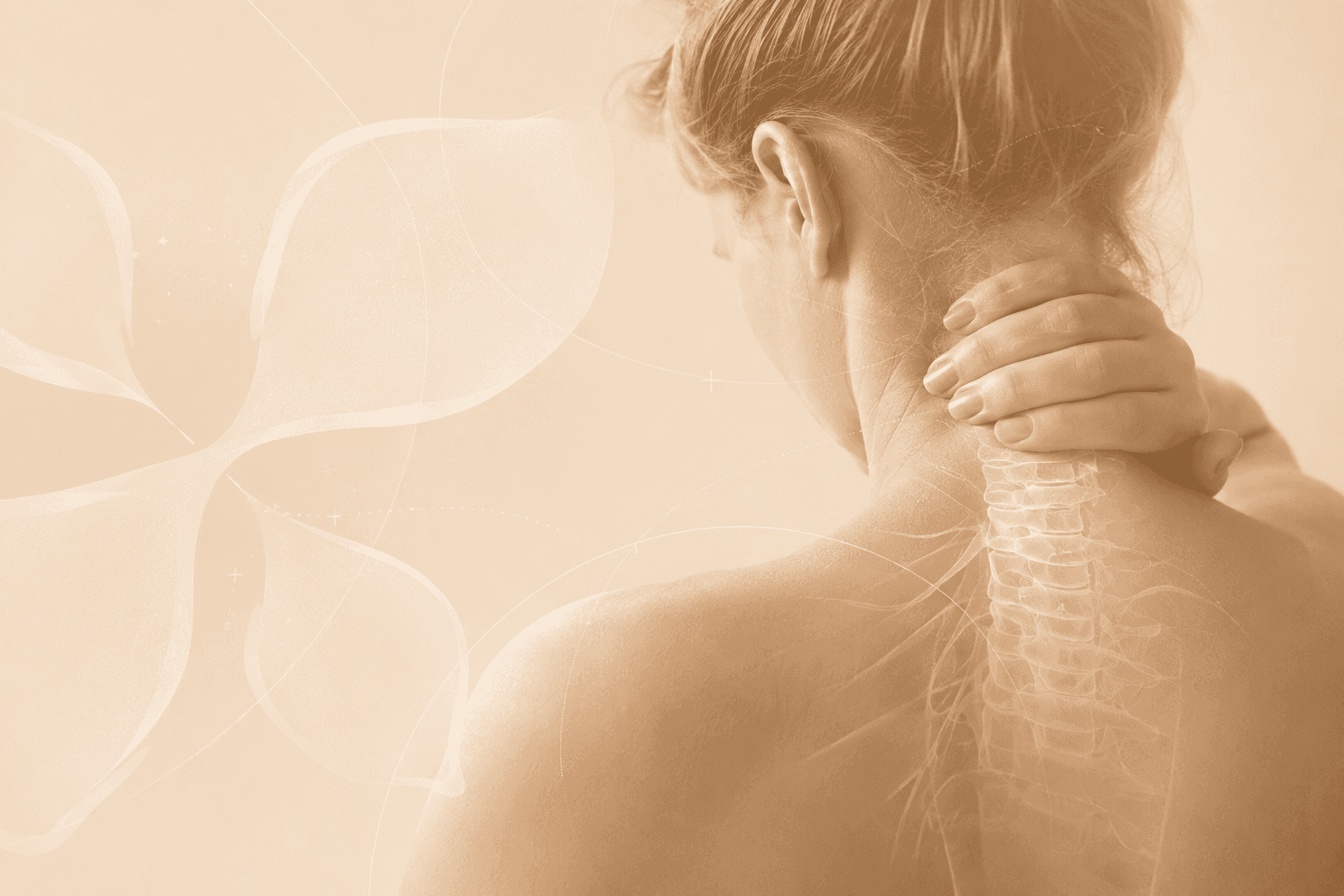
Muscle Spasms
What is it?
A muscle spasm is a sudden, involuntary, and usually painful contraction of a muscle. It occurs when muscle fibers remain activated without the person's conscious control, creating a sensation of tightness, pulling, or hardening.
Although they typically occur suddenly, they are usually the result of a combination of muscle overload, fatigue, and alterations in the regulation of the nervous system.
Most Common Symptoms
Localized pain.
Sensation of tightness or locking.
Muscle stiffness.
Tenderness to the touch in the affected area.
Restricted range of motion.
Muscle fatigue.
Why do they occur?
Muscle spasms can be associated with:
Muscle overload.
Fatigue.
Inadequate recovery.
Repetitive movements.
Sudden changes in physical activity.
Altered joint mobility.
Stress and increased nervous system tension.
The Importance of the Nervous System
The nervous system constantly regulates muscle activity. When it perceives that an area requires protection, it can increase muscle activation, prompting the onset of spasms.
Therefore, treatment does not solely aim to relax the muscle, but to restore a more balanced interaction between the nervous system and movement.
Therapeutic Approach
Treatment may combine:
Manual therapy.
Deep dry needling.
Radiofrequency therapy.
Neuromodulation.
Percutaneous Therapeutic Electrolysis (EPTE), when indicated.
Therapeutic exercise.
Treatment Objectives
Alleviate pain.
Reduce muscle tension.
Restore mobility.
Improve muscle function.
Promote more efficient movement patterns.
Reduce the risk of recurrence.
Muscle Spasms
What is it?
A muscle spasm is a sudden, involuntary, and usually painful contraction of a muscle. It occurs when muscle fibers remain activated without the person's conscious control, creating a sensation of tightness, pulling, or hardening.
Although they typically occur suddenly, they are usually the result of a combination of muscle overload, fatigue, and alterations in the regulation of the nervous system.
Most Common Symptoms
Localized pain.
Sensation of tightness or locking.
Muscle stiffness.
Tenderness to the touch in the affected area.
Restricted range of motion.
Muscle fatigue.
Why do they occur?
Muscle spasms can be associated with:
Muscle overload.
Fatigue.
Inadequate recovery.
Repetitive movements.
Sudden changes in physical activity.
Altered joint mobility.
Stress and increased nervous system tension.
The Importance of the Nervous System
The nervous system constantly regulates muscle activity. When it perceives that an area requires protection, it can increase muscle activation, prompting the onset of spasms.
Therefore, treatment does not solely aim to relax the muscle, but to restore a more balanced interaction between the nervous system and movement.
Therapeutic Approach
Treatment may combine:
Manual therapy.
Deep dry needling.
Radiofrequency therapy.
Neuromodulation.
Percutaneous Therapeutic Electrolysis (EPTE), when indicated.
Therapeutic exercise.
Treatment Objectives
Alleviate pain.
Reduce muscle tension.
Restore mobility.
Improve muscle function.
Promote more efficient movement patterns.
Reduce the risk of recurrence.
Muscle Spasms
What is it?
A muscle spasm is a sudden, involuntary, and usually painful contraction of a muscle. It occurs when muscle fibers remain activated without the person's conscious control, creating a sensation of tightness, pulling, or hardening.
Although they typically occur suddenly, they are usually the result of a combination of muscle overload, fatigue, and alterations in the regulation of the nervous system.
Most Common Symptoms
Localized pain.
Sensation of tightness or locking.
Muscle stiffness.
Tenderness to the touch in the affected area.
Restricted range of motion.
Muscle fatigue.
Why do they occur?
Muscle spasms can be associated with:
Muscle overload.
Fatigue.
Inadequate recovery.
Repetitive movements.
Sudden changes in physical activity.
Altered joint mobility.
Stress and increased nervous system tension.
The Importance of the Nervous System
The nervous system constantly regulates muscle activity. When it perceives that an area requires protection, it can increase muscle activation, prompting the onset of spasms.
Therefore, treatment does not solely aim to relax the muscle, but to restore a more balanced interaction between the nervous system and movement.
Therapeutic Approach
Treatment may combine:
Manual therapy.
Deep dry needling.
Radiofrequency therapy.
Neuromodulation.
Percutaneous Therapeutic Electrolysis (EPTE), when indicated.
Therapeutic exercise.
Treatment Objectives
Alleviate pain.
Reduce muscle tension.
Restore mobility.
Improve muscle function.
Promote more efficient movement patterns.
Reduce the risk of recurrence.

© 2026 Bienaimé. All rights reserved.
Designed and developed by ELIA Digital Solutions
6 Caracas Street.
Ground Floor - Left.
Chamberí, 28010
Madrid, Spain
+34 666 725 133
bienaime.health@gmail.com


© 2026 Bienaimé. All rights reserved.
Designed and developed by ELIA Digital Solutions
6 Caracas Street.
Ground Floor - Left.
Chamberí, 28010
Madrid, Spain
+34 666 725 133
bienaime.health@gmail.com
© 2026 Bienaimé. All rights reserved.
Designed and developed by ELIA Digital Solutions
6 Caracas Street.
Ground Floor - Left.
Chamberí, 28010
Madrid, Spain
+34 666 725 133
bienaime.health@gmail.com