
|
ES
EN

E-commerce
Aesthetic Therapy
Aesthetic Wellness
Sleep disturbances

Low Back Pain
What is it?
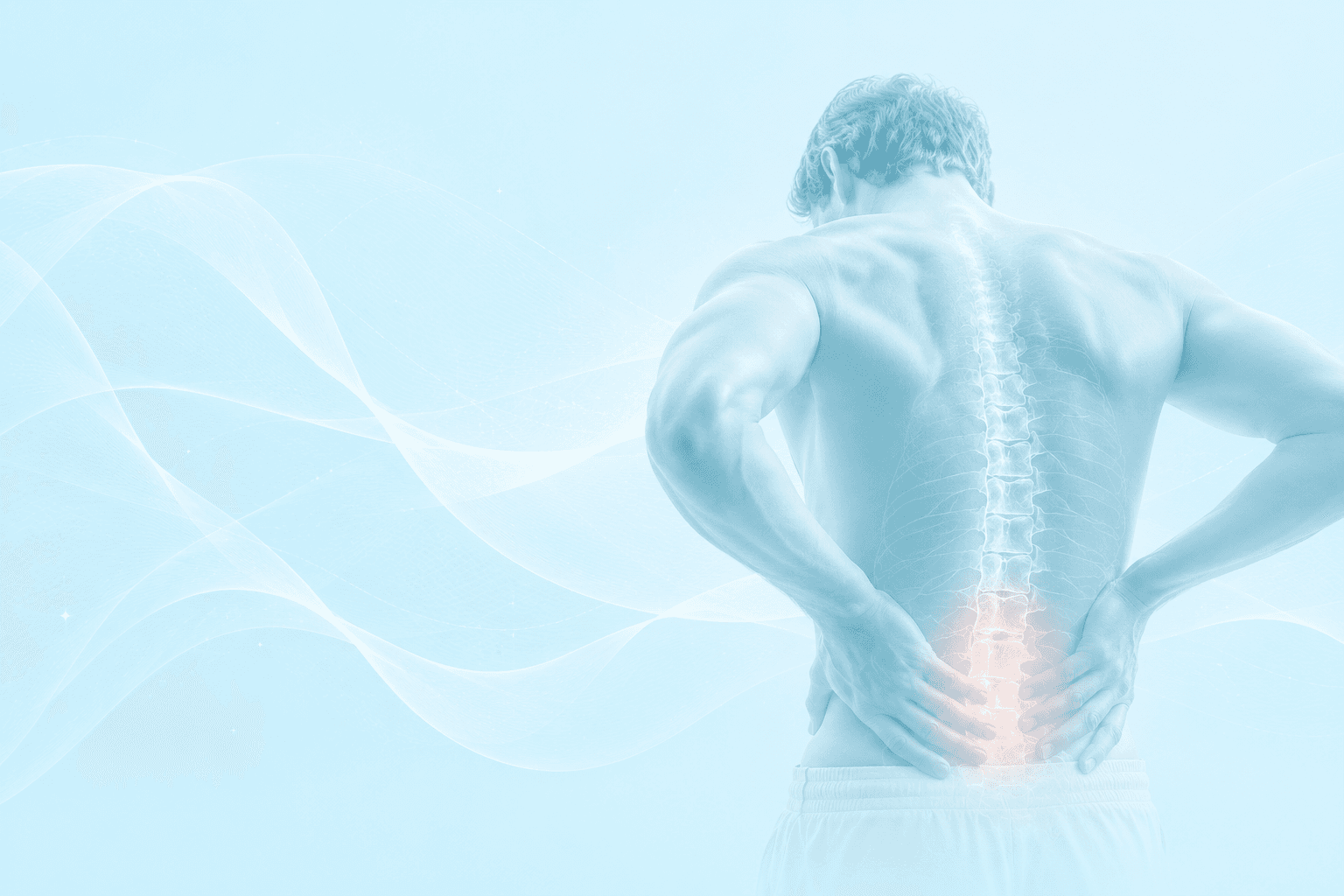
Low back pain (lumbago) is one of the most frequent causes of physical limitation and affects people of all ages. It is localized in the lower region of the back and can appear suddenly or develop progressively.
Although it is commonly associated with poor posture or heavy lifting, in many cases various factors are involved, such as biomechanical alterations, muscular weakness, lack of mobility, physical overload, or increased sensitivity of the nervous system.
Most Common Symptoms
Pain in the lower back region.
Stiffness or a sensation of restriction when moving.
Discomfort when sitting or standing for prolonged periods.
Pain that may radiate toward the buttocks or legs.
Sensation of muscular tension or overload.
Difficulty bending, twisting, or lifting weights.
Recurrent episodes of low back pain or muscle spasms.
Why does it occur?
Low back pain is typically the result of a combination of factors, including:
Muscle weakness or a sedentary lifestyle.
Repetitive physical overload.
Restricted hip mobility.
Alterations in lumbopelvic control.
Compensatory movement patterns.
Physical or emotional stress.
The Importance of the Hips and Gluteals
In many cases, the origin of the problem is not solely located in the lumbar spine. Restricted hip mobility or poor gluteal activation can increase the load on the lower back, promoting the onset or recurrence of pain.
Therefore, a functional assessment allows for the identification of potential deficits in mobility, stability, and movement patterns that contribute to the injury.
Therapeutic Approach
Each treatment plan is tailored to the patient's specific needs and may combine different techniques to relieve pain, restore function, and prevent relapses:
Manual therapy.
Myofascial release.
Therapeutic exercise.
Movement re-education.
Neuromodulation.
Percutaneous Therapeutic Electrolysis (EPTE), when indicated.
Treatment Objectives
Alleviate pain.
Restore range of motion.
Improve stability and motor control.
Correct compensatory patterns.
Reduce the risk of relapse and facilitate a safe return to daily activities and sports.


